


Be smart with kids' height checks on theme park rides
Parents - if you are thinking about taking your children to Disney this summer, let's take a moment to talk about height limits.
As a child, getting measured to see if I was tall enough to go on a ride made me feel terrible. It was a test that I could not study for and could do nothing to pass. As a parent, I felt that stress even more intensely watching my kids step up to be measured, knowing the anxiety that experience caused me as a child.
But as a theme park employee and ride operator at Walt Disney World's Magic Kingdom, I learned the importance of height requirements in protecting guests from what are basically enormous pieces of dangerous and unforgiving machinery.
Theme parks and their operators have a responsibility to protect their guests from physical harm. They also bear some responsibility not to drop a ton of emotional distress on their customers, too. After all, people come to theme parks to have a good time — not to get stressed out by things such as whether or not their kids meet height requirements.
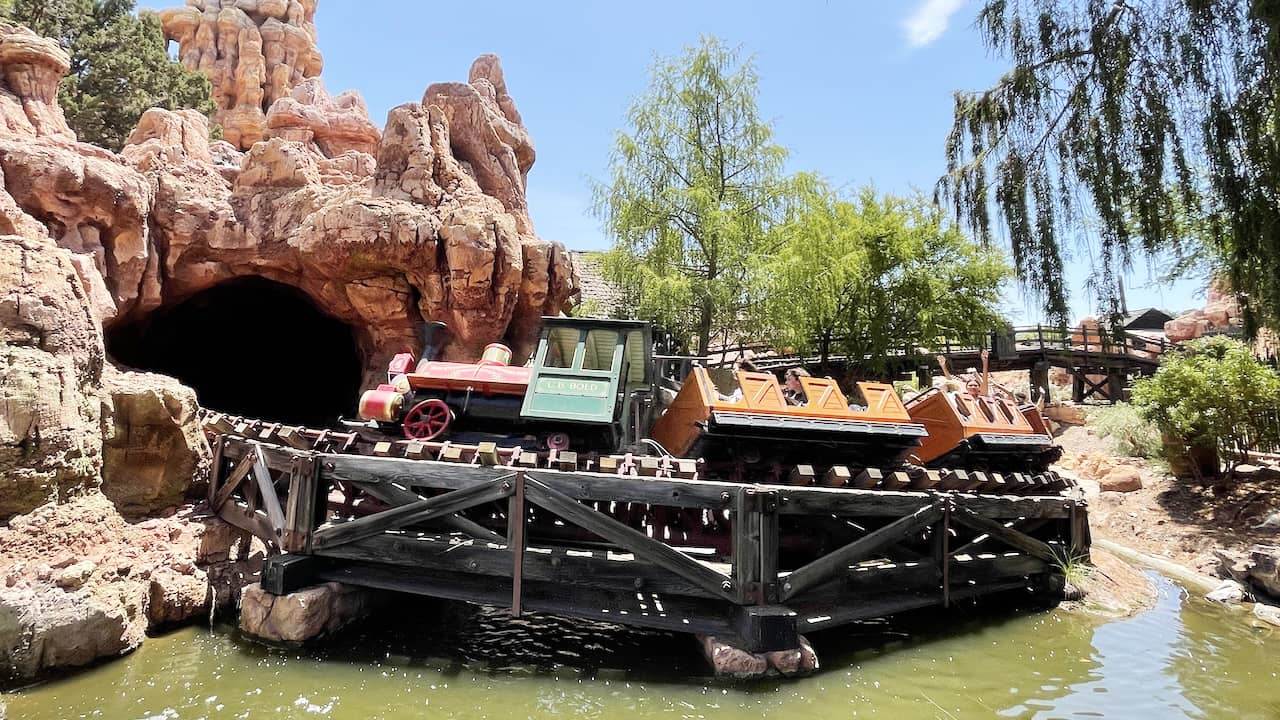
Disney's Big Thunder Mountain Railroad has a 40-inch height requirement, including at Disneyland and Walt Disney World
That's why I applaud theme parks that handle measuring kids pro-actively. Don't leave this to the load station, after kids and their parents have gotten excited for a ride and waited in its queue. For me, the best way to handle height requirements is for parks to provide a station near the park's entrance where kids can get measured and find out which rides they can go on in the park.
Spinning this as a positive is key. When getting measured on a ride-by-ride basis, the answer is either "yes" or "no." But at a central measurement station, the answer is always "yes." It might not be yes to everything, but it's always going to be yes to something. (Unless every ride at the park has a height restriction, of course, but that's not the case at any major theme park.)
Yet safety demands redundant checking, so a park can't leave height measurements to one employee at the park entrance. When I worked Big Thunder Mountain Railroad at Walt Disney World's Magic Kingdom, checking that riders were 40 inches tall was a team responsibility. Sure, there was a height sign at the queue entrance, but Disney's Imagineers had included hidden signposts throughout the station — handrails and decorations placed exactly 40 inches from the floor, to be used as a visual reference so everyone on the crew could check kids in the station.
After even a short while working a height-restricted attraction, you get to be an expert at sizing up a child's height. You don't need those signs and sticks anymore to tell if someone is too short to ride. But the parents who don't trust your judgment do, so that's why they are there.
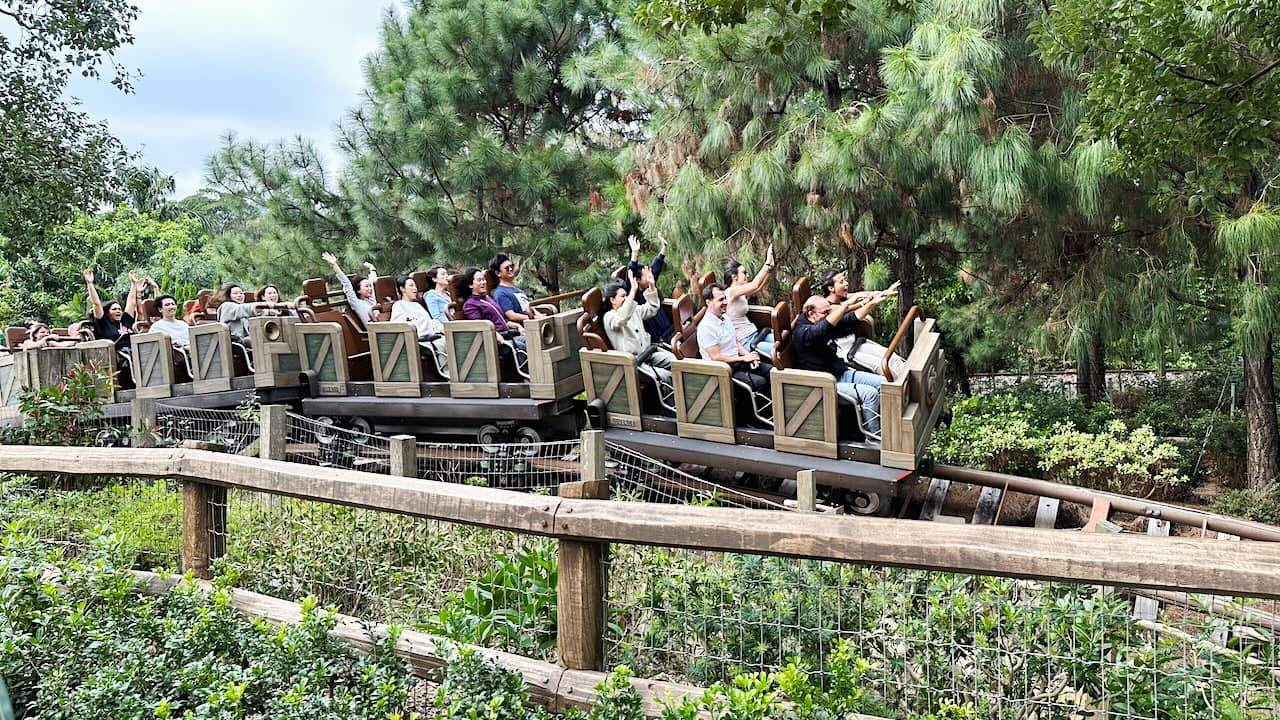
Hong Kong Disneyland's Big Grizzly Mountain Runaway Mine Cars has a 44-inch height requirement
Many theme park fans know by now that parents and caregivers can do a "child swap" if kids in their group don't meet the height requirement. One adult stays with the kids who are not riding, while the other goes on with those who are. Then the adults switch, so that both get a chance to ride.
Back in my day on Thunder, we handled child swaps in a clumsy, low-tech way. The non-riders had to wait at unload, buffeted by the departing riders in a cramped space, waiting for the rest of their family to go through the queue and ride. It's so much better today on rides where parks have invested in child swap waiting rooms, where kids and the caretakers can relax with games or videos, waiting in a pleasant environment instead of fighting crowds.
Ultimately, it's up to attractions employees to handle child measurements with sensitivity. This is where experience matters so much, which is why I always support pay raises for theme park employees, so that they can afford to stay on the job long enough to develop that experience. Experienced operators prevent downtimes, increase capacity and manage guest expectations and emotions, creating a better experience for everyone. Pay raises that retain good ops employees pay for themselves, and then some.
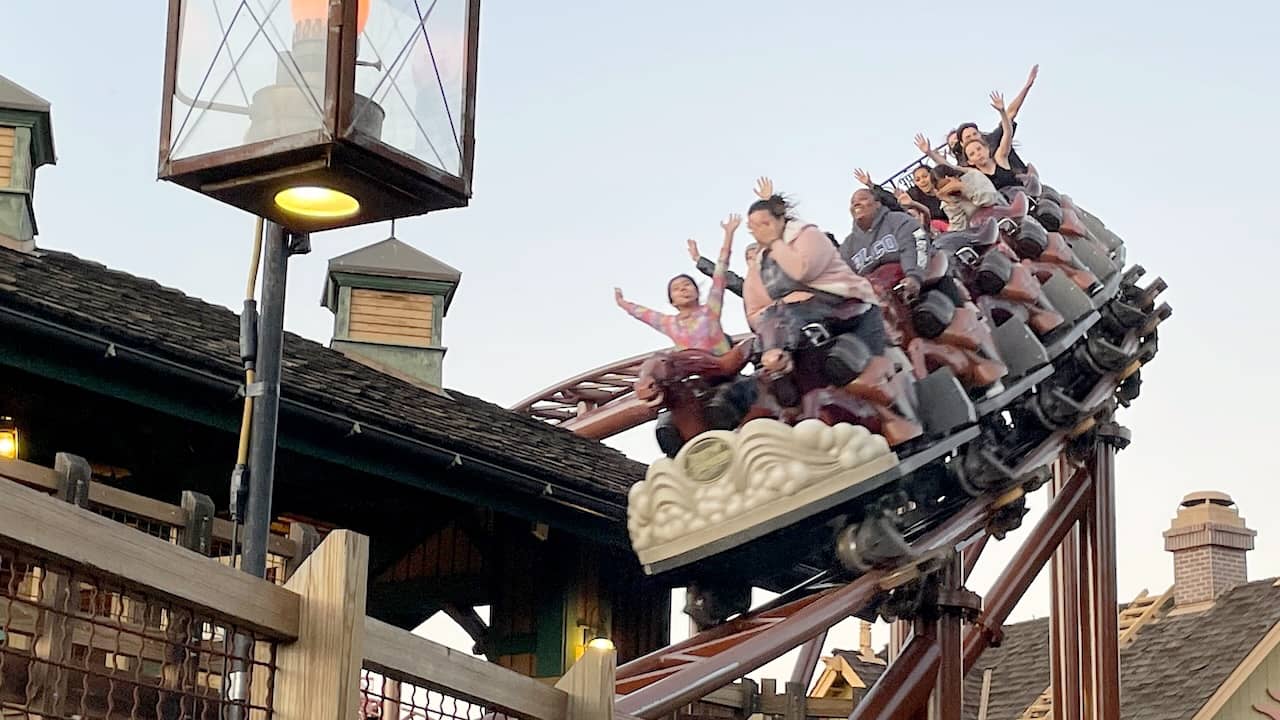
Pony Express at Knott's Berry Farm has a 48-inch height requirement
Again, an experienced operator knows if a kid can ride before he or she steps up to the sign. If you know the kid is going to pass, then set up the triumph. Encourage the kid to get measured... and make their old sibling get measured, too, especially if you sense that older kid will tease the younger for having to get measured. Then congratulate the kids for "passing the test" and wish them well.
It gets much trickier if you know the kid is too short. That's when I would try to be proactive, to intercept the family before they got to the sign and suggest the child swap option or something else in the area. If the parents demanded a measurement, I always would crouch to meet the child at eye level, smile my most reassuring smile, and try to chat up the kid about how much I love playing on an attraction that I knew they would be allowed to ride. Then I would stand up and deliver the bad news to the parents, not the kid.
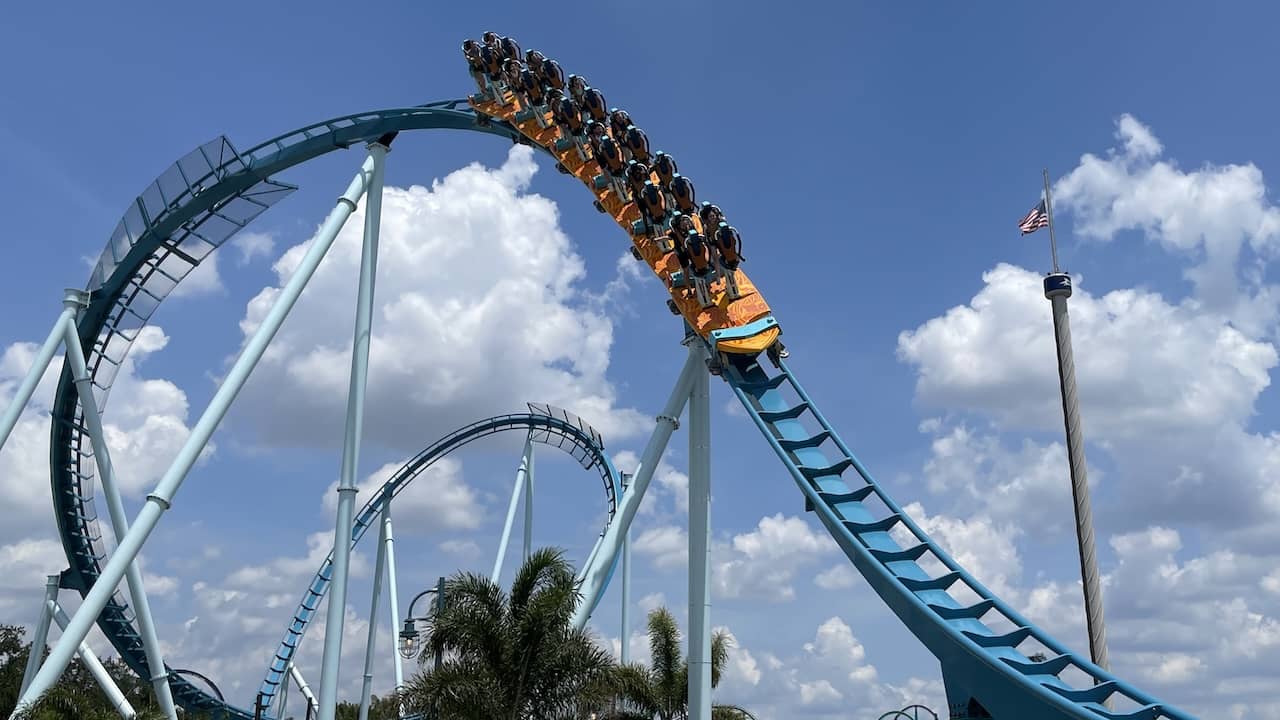
Pipeline: The Surf Coaster at SeaWorld Orlando has a 54-inch requirement
Some parents decided to fight the call. This is never, ever successful and only makes your kid feel worse in the end, so, please, do not be that parent. Too-short kids are not getting on the ride, no matter what. By delaying that rejection, parents who challenge employees over this are only going to end up with a crying, angry kid, instead of enduing a moment of disappointment at the queue entrance, immediately followed by moving on to something fun to do.
Theme parks impose height restrictions not because kids below that height are too short to fit on a ride or enjoy it. Heck, in normal operation, babies could go on Thunder and some other coasters safely. Height and other restrictions protect riders in case something goes wrong, such as stopping on a safety brake or having to be evacuated. In those rare cases, people under the designated height can be at extreme risk. So don't take the chance. Respect the park's height and safety restrictions, trust the operators, and follow their lead to find the best experiences for you and your family when you visit.
You can find height restrictions for rides at major theme parks listed on our theme park visitors guides. (Just click to the park you are planning to visit.)
Replies (2)

Considering how quickly news travels over the internet when an incident happens at a theme park, it amazes me that there are still people who will fight safety rules.
You must be registered and logged in to submit a comment.


And for those kids who sit just under the requirement, toilet paper in the shoes and boots.